
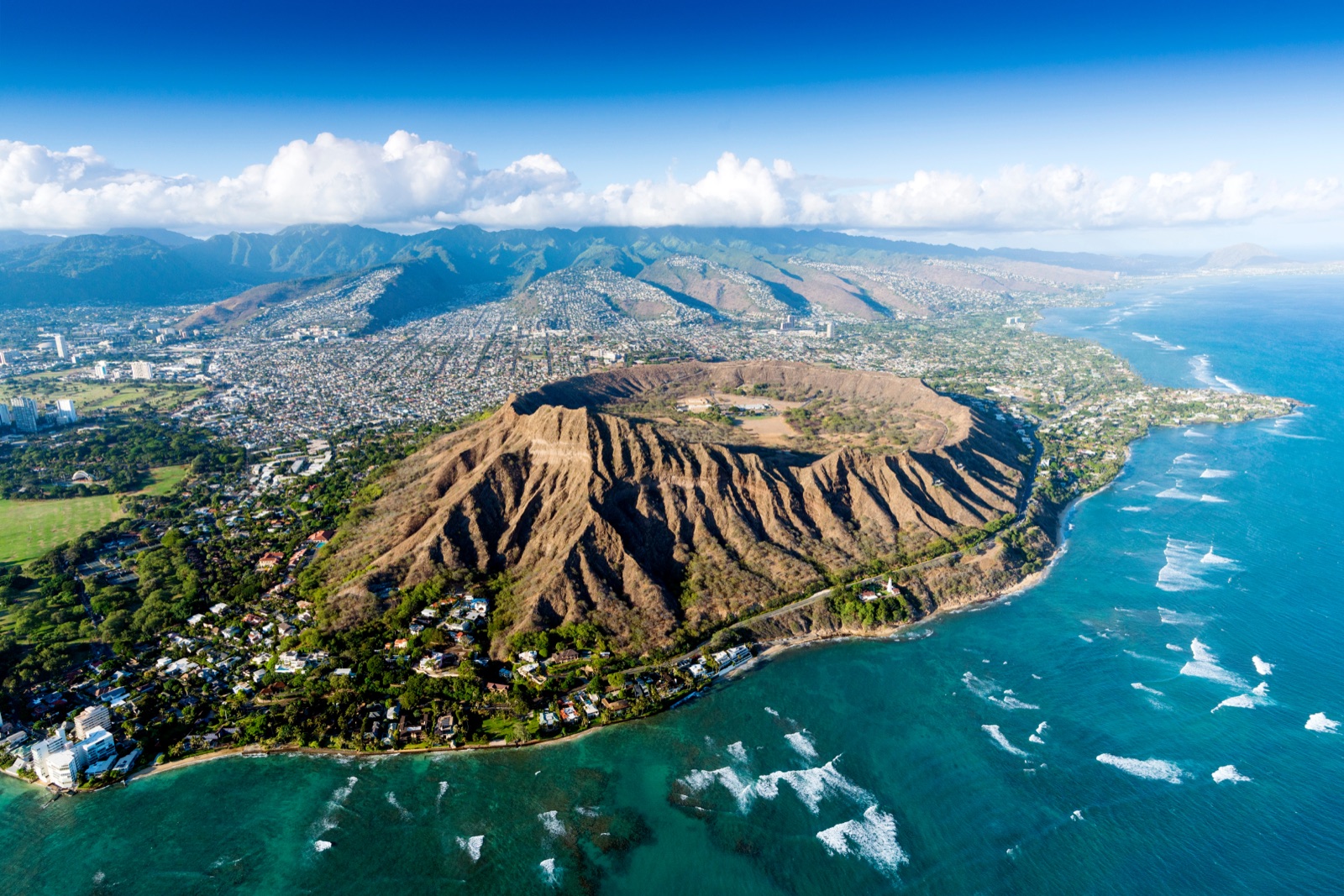


Drive the residential loop around Lēʻahi crater and you could convince yourself nothing has changed since 1975. Monkey pod trees older than the statehood vote. Estate homes set deep behind lawns that have been mowed by three generations of the same family. Streets that see more marathon runners than moving trucks.
That stillness is real — and it's exactly why what's happening now matters.
The neighborhood that doesn't trade
Most Honolulu neighborhoods run on an annual rhythm: spring listings, summer escrows, winter slowdown. Diamond Head doesn't run on that clock. The single-family inventory in Inner Diamond Head and Kaʻalāwai is held by a small set of long-tenured owners — frequently the second, third, or fourth generation of a family that bought in the 1940s, '50s, or '60s. Holds of 40, 50, 60 years are normal here. Homes pass to children before they pass to the market.
When a Diamond Head home does sell, it's rarely because someone "decided to list this spring." It's an estate event. A family trust resolving. A planned, multi-decade transition finally arriving.
The inventory you see on Zillow this week is not the inventory that's actually for sale.
From our Diamond Head neighborhood guide
So what's the "moment"?
Simple math, playing out slowly: the families who built and bought these homes between the 1920s and 1960s are now several generations deep. More of these properties are reaching the point where a trust has to make a decision — keep, rent, or sell. Not a flood of inventory. Not a price correction. A generational handoff, one estate at a time.
For a neighborhood that trades five to fifteen single-family homes a year, even a modest uptick in trust and estate decisions changes who gets a shot at these streets. Buyers who assumed Diamond Head was permanently closed are finding doors — quiet ones — starting to open.
Three things make this market different from anywhere else on Oahu:
-
A meaningful share of inventory trades off-market. Deals happen privately — between trustees, estate executors, family attorneys, and the agents who focus on this neighborhood — sometimes before anything posts to the MLS. Watch Zillow alone and you miss most of what actually trades.
-
Trust and estate transactions run on their own timeline. Multiple beneficiaries agreeing on price and timing. Executors balancing tax considerations and filing deadlines. Slower decisions, more deliberate counters. A buyer who understands this doesn't panic at a two-week response window. A buyer who doesn't walks away from deals that would have closed.
-
The comp data is thinner than it looks. HiCentral's "Diamond Head region" statistics fold in Kahala, Kaimuki, and Waiʻalae-Iki — which inflates the apparent comp pool. Pricing an actual Diamond Head home accurately often means working from half a dozen sales over 24 months, not fifty from last quarter.
If you're buying
Patience is the entry fee. The buyers who win in Diamond Head are the ones positioned 12–24 months before the right home surfaces — with financing ready, a specific pocket in mind, and an agent actively working the broker network rather than waiting for listings to appear.
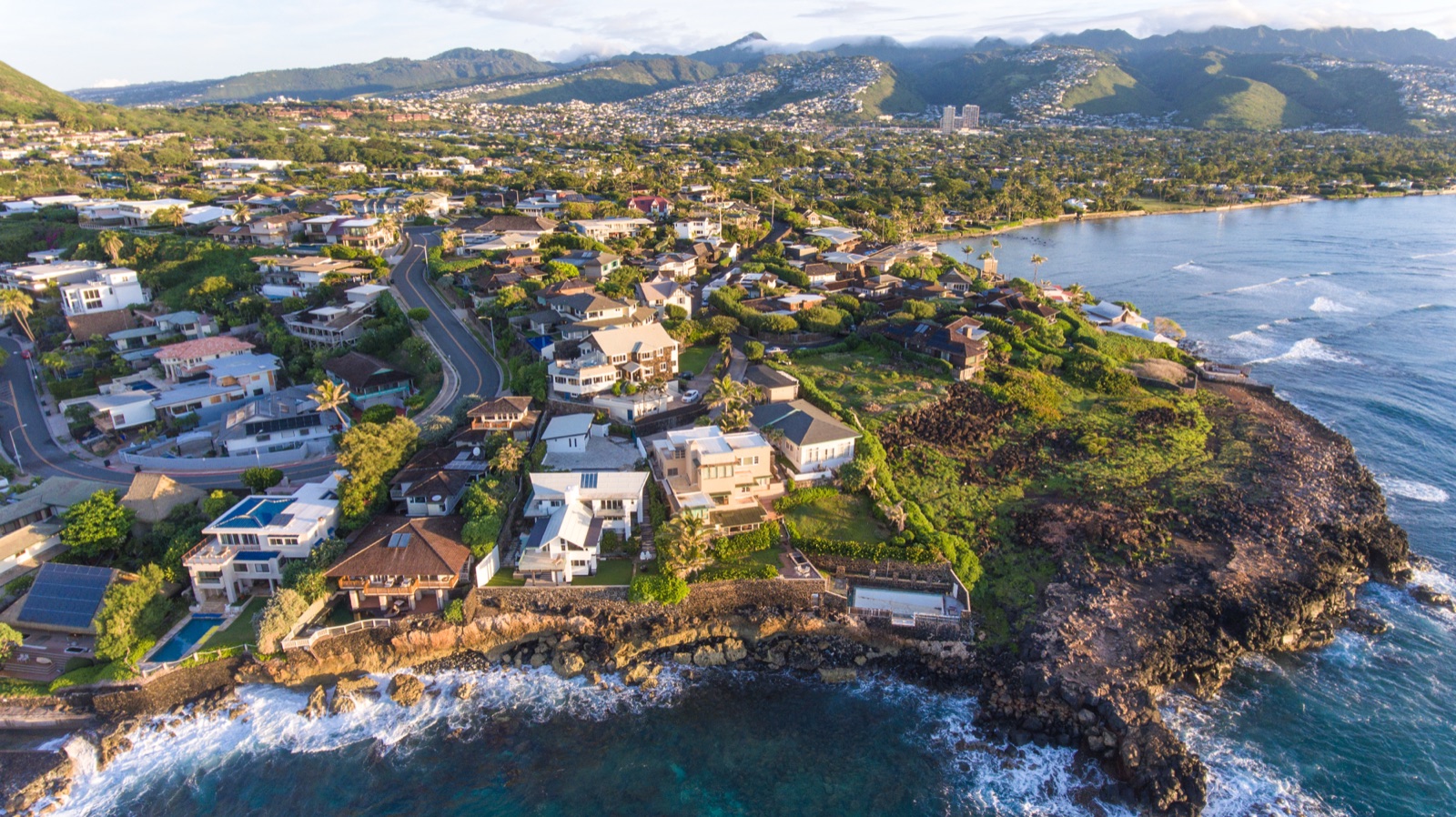
Know your pocket, too. Inner Diamond Head, the Triangle, the crater slopes, and Kaʻalāwai are four genuinely different sub-markets — different eras, different lot sizes, different pricing, from around $2M in the Triangle to $25M+ on the view slopes. Our full Diamond Head guide breaks down all four.
If you own here
If your family is anywhere near one of those trust conversations, the single most useful thing you can have is an accurate read on what the property is actually worth — built from the narrow, real Diamond Head comp set, not the inflated regional average. That's a CMA conversation, and it's worth having a year before any decision gets made, not the week of.
And if the family's answer is "keep it" — good. That's the answer that built this neighborhood.
Published July 16, 2026 · Maxs Yoon & Dylan Fujimoto, Realtor (Lic. RS-80515 · RS-86710), MY Realty Group at Keller Williams Honolulu.